
Home Improvement Tips & Info
Planning a New Deck Installation for Your Gainesville Home?
Most homeowners think decks are just about square footage. Boards, nails, maybe a railing. But a deck that actually works — one that holds up to Gainesville's humidity, fits your lifestyle, and doesn't turn into a maintenance nightmare — requires more than a weekend sketch and a trip to the lumber yard. You're not just building a platform. You're creating outdoor real estate that either adds value or becomes a liability.
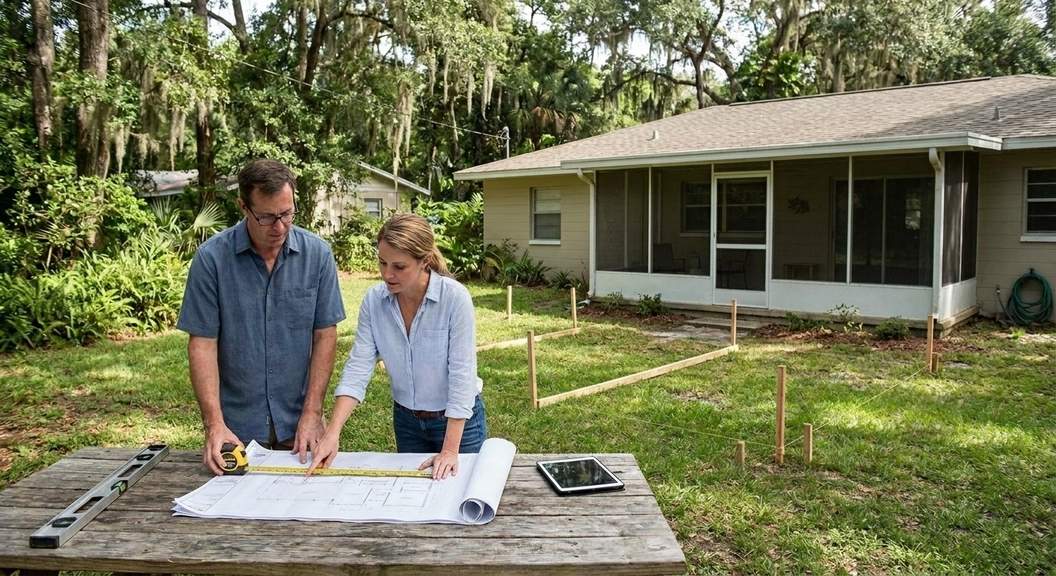
Here's what matters. If you're investing in a deck, treat it like the permanent structure it is. Every material choice leaves a mark. Every design decision affects how you'll use the space five years from now. And every shortcut you take today will show up as a repair bill tomorrow. This isn't about perfection — it's about planning with your eyes open.
What You Actually Need From This Deck
We've seen too many decks built for someone else's life. A massive entertaining space when you rarely host. A tiny perch when you've got three kids who need room to move. Before you pick a single board, get honest about how this space will function in your day-to-day routine. Are you grilling twice a week or twice a year? Do you need shade for afternoon coffee or sun for morning yoga?
Your answers shape everything — size, layout, features, even orientation. A deck built for quiet mornings looks nothing like one designed for weekend cookouts. And if you skip this step, you'll end up with a structure that looks great in photos but doesn't fit how you actually live.
Where It Goes Matters More Than You Think
Location isn't just about convenience. It's about sun exposure, wind patterns, privacy, and how the deck connects to the rest of your property. Gainesville's heat and humidity mean you'll want to think hard about shade — whether that's from existing trees, a pergola, or strategic positioning. A deck that bakes in full sun all afternoon won't get much use in July.
We also see homeowners forget about sightlines. You don't want your new outdoor space staring directly into your neighbor's kitchen window. And if you're adding stairs or pathways, make sure they flow naturally from your home's existing doors and traffic patterns. A deck that feels tacked on never gets the use it deserves.
Permits and Codes Aren't Suggestions
Gainesville has rules. Height limits, setback requirements, railing specs, stair dimensions — all of it matters. And if you build without permits or ignore code, you're setting yourself up for fines, forced teardowns, or headaches when you try to sell. The city doesn't care if your buddy said it was fine or if you found a workaround online.
Most professional contractors handle permitting as part of the job. If you're going DIY, call the building department early and get clarity on what's required. It's not glamorous, but it's the difference between a deck that's legal and one that becomes a problem.
Materials Built for Humidity and Heat
Gainesville's climate will test whatever you build. Moisture, mold, insects, UV exposure — your deck materials need to handle all of it without falling apart in five years. Pressure-treated lumber is affordable and widely available, but it requires regular maintenance and can warp or crack over time. Composite decking costs more upfront but resists rot, fading, and splintering with far less upkeep.
If you want something that lasts decades, tropical hardwoods like ipe or cumaru are worth considering. They're dense, beautiful, and incredibly durable — but they come with a higher price tag and require specific fasteners and installation techniques. Whatever you choose, make sure railings, screws, and finishes are rated for outdoor use in humid climates. Cheap hardware rusts. Cheap finishes peel. And both will cost you more in the long run.
- Pressure-treated pine: Budget-friendly but needs sealing and regular care
- Composite boards: Low maintenance, consistent color, higher upfront cost
- Tropical hardwoods: Premium durability and appearance, requires skilled installation
- Cedar or redwood: Naturally resistant to rot, softer than hardwoods, needs periodic treatment
- PVC decking: Fully synthetic, waterproof, can get hot underfoot in direct sun
Design That Works, Not Just Looks Good
A deck should do more than fill space. It should create zones, guide movement, and support how you actually use your yard. Multi-level designs work well on sloped lots and can separate dining areas from lounging spots. Built-in benches save floor space and eliminate the need for bulky furniture. Integrated planters add greenery without cluttering the deck surface.
Lighting is another area where planning pays off. We're not talking about a single floodlight — think about pathway lights for stairs, ambient lighting for evening gatherings, and task lighting near grills or prep areas. And if you're adding electrical, run conduit during construction. Retrofitting later is expensive and messy.
- Traffic flow: Leave clear paths between doors, stairs, and seating areas
- Furniture fit: Measure your table, chairs, and grill before finalizing dimensions
- Shade options: Plan for pergolas, umbrellas, or retractable awnings if needed
- Storage access: Don't block utility panels, hose bibs, or crawl space entries
- Future additions: Leave room for hot tubs, fire pits, or outdoor kitchens if you might want them later
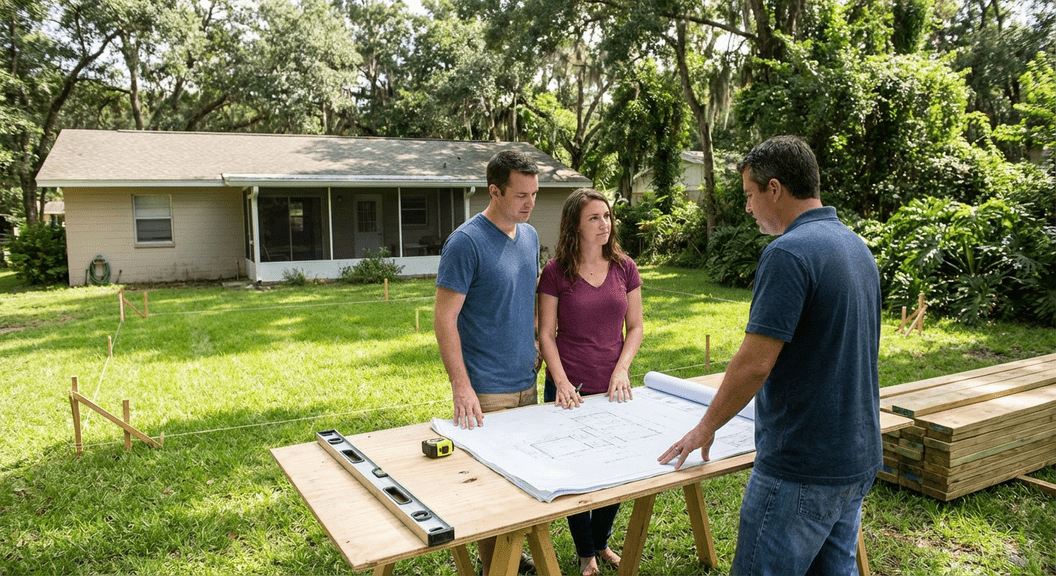
Safety Features That Actually Protect
Railings aren't optional if your deck is more than 30 inches off the ground — and even if they are, you'll want them for peace of mind. Balusters should be spaced so a four-inch sphere can't pass through, preventing small children or pets from slipping between. Stairs need handrails, proper rise and run dimensions, and slip-resistant treads.
If you've got kids, elderly family members, or anyone with mobility concerns, think about accessibility from the start. Wider stairs, gentler slopes, and gates at the top of stairways can make a huge difference. And don't forget about lighting — a well-lit deck prevents trips and falls after dark.
- Railing height: Minimum 36 inches for most residential decks
- Baluster spacing: No more than 4 inches between vertical supports
- Stair treads: Consistent depth and slip-resistant surface material
- Handrails: Required for stairs with more than three risers
- Lighting: Install on stairs, railings, and near seating areas for visibility
Budget Reality Check
Deck costs vary wildly based on size, materials, and complexity. A basic 12x16 pressure-treated deck might run $3,000 to $6,000 in materials and labor. A composite deck with built-ins, lighting, and custom railings can easily hit $15,000 or more. Get multiple quotes, compare line items, and don't assume the cheapest bid is the best value.
Set aside 10-15% of your budget for surprises. Rotted joists, unexpected grading issues, or material price jumps happen. And if you're financing the project, factor in interest and payment terms. A deck is an investment, but only if it's built right and doesn't drain your savings with constant repairs.
- Materials: Lumber, fasteners, railings, and finishes make up 40-60% of total cost
- Labor: Professional installation typically runs $15-$35 per square foot depending on complexity
- Permits: Budget $100-$500 for permits and inspections in Gainesville
- Extras: Lighting, built-ins, and custom features add 20-40% to base costs
- Contingency: Always reserve funds for unexpected issues or upgrades
Hiring a Pro or Going Solo
DIY deck builds can save money if you've got the skills, tools, and time. But most homeowners underestimate the complexity — especially when it comes to structural support, code compliance, and finishing details. A licensed contractor brings experience, insurance, and accountability. They know Gainesville's soil conditions, permit requirements, and which materials hold up best in local weather.
If you're hiring, check references, verify licenses and insurance, and review past projects. A contractor who's built dozens of decks and fences in your area will spot potential problems before they become expensive mistakes. And if something goes wrong, you've got recourse. With DIY, you're on your own.
Making It Last
A well-built deck doesn't maintain itself. Pressure-treated wood needs annual cleaning and sealing. Composite boards require occasional washing to prevent mold and mildew. Hardware should be checked for rust or loosening. And any signs of rot, insect damage, or structural issues need immediate attention.
We've seen too many homeowners spend thousands on a beautiful deck, then let it deteriorate because they skipped basic upkeep. Regular power washing and painting services can help maintain your deck's appearance and structural integrity. A little effort each year keeps your investment solid and your outdoor space usable. Ignore it, and you'll be rebuilding sooner than you think. If you're looking for professional services to help with your deck project in Gainesville, consider working with experienced contractors who understand local conditions. Plan smart, build right, and your Gainesville deck will deliver value for decades.
Ready to Build Your Ideal Outdoor Space?
Let's turn your vision for a Gainesville deck into a reality that lasts. We're here to answer your questions, walk you through the options, and make sure your new deck is built for the way you actually live. Give us a call at 770-540-9761 to talk through your ideas, or get a quote and let's get started on your project together.
‹ Back
Recent Posts
-

Should You Pressure Wash Before Exterior Painting in Florida?
September 8, 2026
-

Are Your Gainesville Gutters Overflowing During Heavy Rain?
August 25, 2026
-
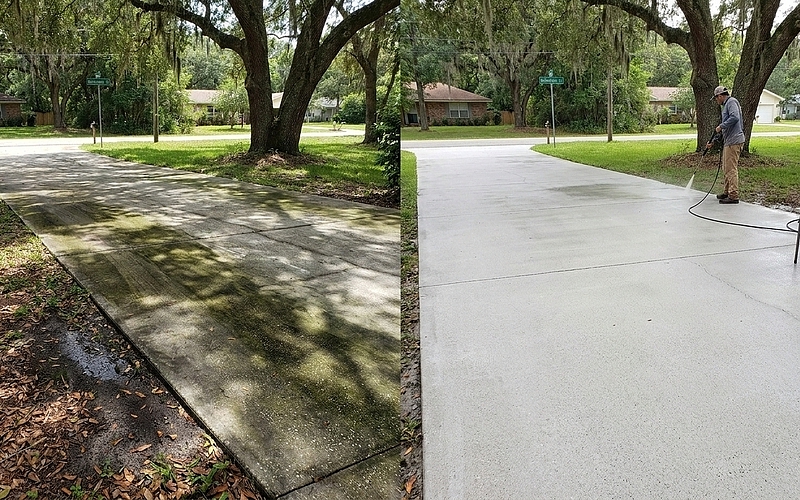
Why Does Algae Keep Coming Back on Florida Driveways?
August 11, 2026
-
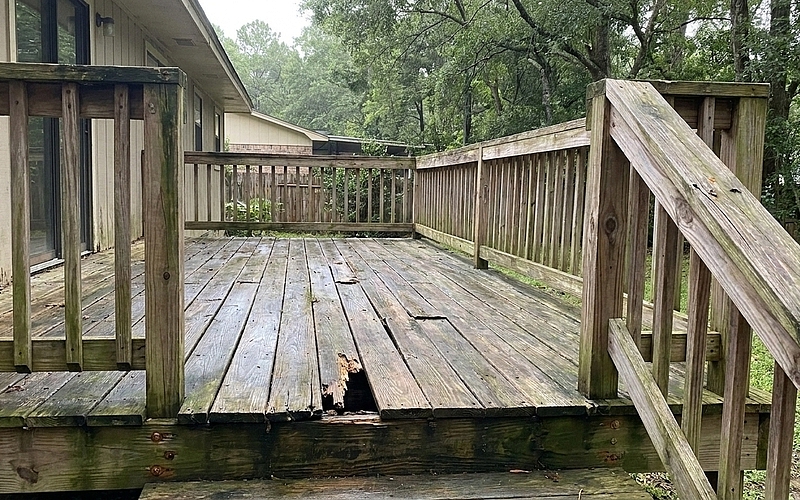
Is Your Gainesville Deck Starting to Feel Unsafe?
July 28, 2026
-
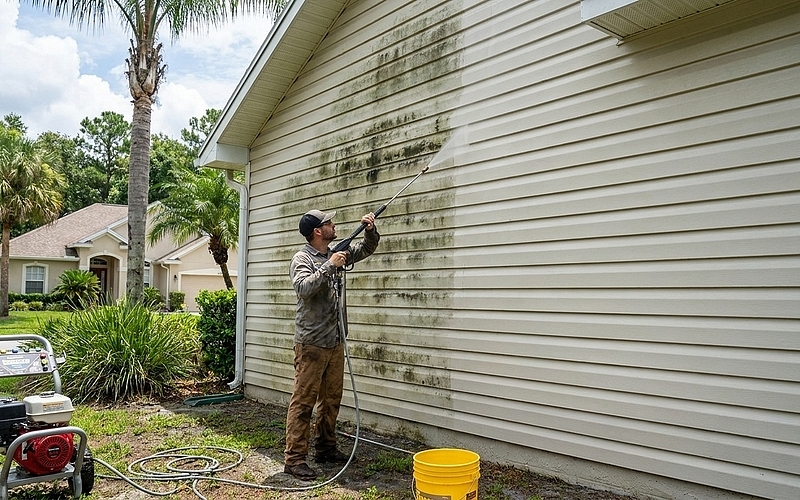
Can Pressure Washing in Florida Remove Mold from Siding?
July 14, 2026





.png)