
Home Improvement Tips & Info
Is Your Gainesville Roof Showing Signs of Wind Damage?
Most homeowners assume their roof is fine until water starts dripping into the living room. But wind doesn't need to rip your entire roof apart to cause problems. It works quietly — lifting a shingle here, cracking a tile there, loosening flashing you didn't even know existed. By the time you notice the leak, the damage has already been spreading behind the scenes.
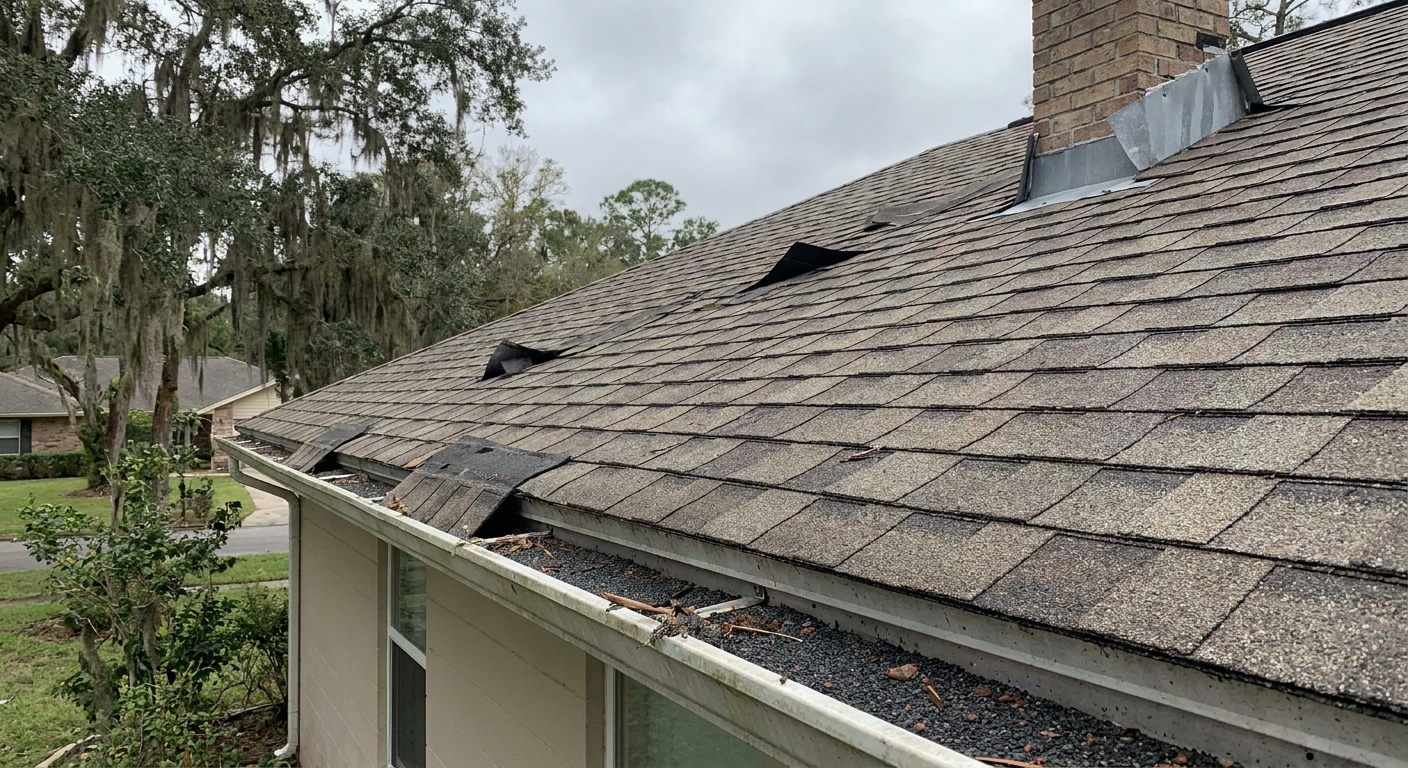
Gainesville sits right in the path of Florida's storm season, and those gusts don't just blow through harmlessly. They test every weak point on your roof. Every lifted edge. Every poorly sealed seam. And if you're not checking after the weather rolls through, you're gambling with repair costs that could've been avoided.
Wind Leaves Clues You Can Actually See
Walk outside after a storm and look up. You don't need a ladder to spot the obvious stuff. Missing shingles stand out like missing teeth. So do curled edges, bent flashing, and tiles that look cracked or shifted. But plenty of damage hides in plain sight — granules washing into your gutters, small gaps around vents, debris piled up in valleys.
The trick is knowing what matters and what's just cosmetic. Because not every scratch means disaster, but some small problems turn into expensive headaches fast. Especially in a climate where moisture doesn't need much of an invitation.
- Shingles that have lifted, curled, or disappeared entirely from sections of your roof
- Flashing around chimneys or vents that's been bent, loosened, or pulled away
- Granules collecting in gutters or downspouts — a sign your shingles are losing their protective coating
- Cracked or broken tiles if you've got a tile roof, especially near ridges or edges
- Water stains creeping across ceilings or walls inside your home
The Damage That Doesn't Announce Itself
Sometimes the roof looks fine from the curb. No obvious holes. No shingles in the yard. But inside your attic, moisture is already doing its thing. Damp insulation. Dark streaks. A musty smell that wasn't there before the storm.
Wind can compromise your roof without making it obvious. A lifted shingle might reseal itself temporarily, but the next rain finds that weak spot. A cracked tile might hold for weeks before it shifts and opens a gap. That's why we always recommend checking inside and out — because exterior inspections only tell half the story.
Waiting Makes Everything Worse
Put off a repair for a month and you're not just dealing with one loose shingle anymore. You're dealing with water intrusion. Wood rot. Mold spores multiplying in warm, damp spaces. And once structural damage sets in, your repair bill doesn't just climb — it multiplies.
Florida's humidity accelerates everything. A small leak in a dry climate might take years to cause real problems. Here? You've got weeks before things escalate. The longer you wait, the more leverage moisture has to work its way deeper into your roof deck, rafters, and insulation.
- Water intrusion that starts small and spreads through insulation and wood
- Mold growth in attics and walls where airflow is limited
- Structural rot that weakens rafters and decking over time
- Higher repair costs as damage spreads beyond the initial problem area
- Insurance complications if you delay reporting damage and it worsens
How We Approach the Inspection
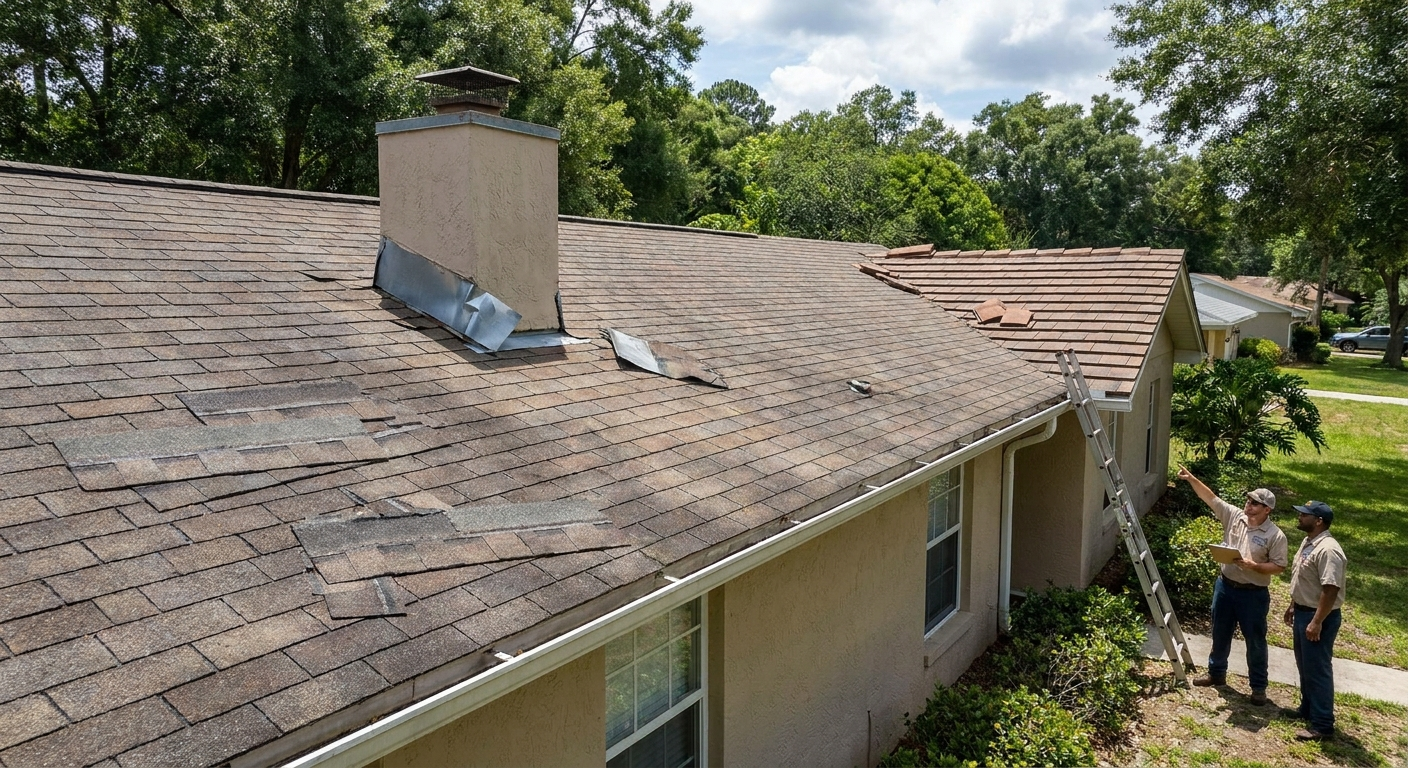
When we inspect a roof for wind damage, we're not just looking for what's missing. We're checking what's loose, what's lifting, what's been compromised but hasn't failed yet. That means walking the roof safely, examining flashing and seals, checking valleys and penetrations, and documenting everything with photos.
We also look at your attic. Because even if the exterior looks intact, interior signs tell us whether wind created openings that water's already exploiting. Combining both perspectives gives us the full picture — and gives you a clear answer on what needs fixing now versus what can wait.
- Visual inspection from the ground to spot obvious issues like missing shingles or debris
- Safe roof-level examination to assess flashing, seals, and hidden damage
- Attic inspection for moisture, stains, and ventilation problems
- Photo documentation for your records and insurance claims
- Written assessment with priority repairs clearly outlined
Insurance Needs a Paper Trail
If you're filing a claim, the insurance company won't just take your word for it. They need documentation. Photos of the damage. A professional inspection report. Proof that the damage happened during a specific storm event and not over years of neglect.
That's where timing matters. The sooner you document the damage, the stronger your claim. Waiting months to report it raises questions. And once the adjuster decides the damage is from wear and tear instead of a covered event, you're paying out of pocket.
What You Should Do Right After a Storm
Don't climb up on your roof with a pair of binoculars and a dream. Walk the perimeter of your house. Look for shingles in the yard, granules in the gutters, visible gaps or cracks from ground level. Check your attic for moisture or light coming through where it shouldn't.
If anything looks off, call a licensed roofer before you call your insurance company. A professional inspection gives you the documentation you need to file a strong claim — and helps you understand whether you're dealing with a quick fix or something more serious.
- Inspect from the ground first — no need to risk a fall
- Check gutters and downspouts for granules or debris buildup
- Look inside your attic for water stains, damp insulation, or light leaks
- Take photos of any visible damage for your records
- Contact a licensed roofer for a professional assessment before filing a claim
Local Pros Know Gainesville Roofs
Not every roofing contractor understands how wind behaves in North Central Florida. Or how quickly moisture becomes a problem here. Or which materials hold up best in our specific climate. Local experience matters because it shapes how we evaluate damage and recommend repairs.
We've seen the same storms you have. We know which neighborhoods get hit hardest. We understand how Florida building codes apply to wind resistance and moisture management. And we know how to work with local insurance adjusters who've seen every excuse in the book.
Your Roof Isn't Invincible
Wind damage doesn't mean your roof failed. It means weather tested it and found a weak point. That's normal. What's not normal is ignoring the signs and hoping it fixes itself. Because roofs don't heal — they degrade.
We help Gainesville homeowners catch problems early, document them properly, and repair them before they turn into replacements. Whether it's a handful of shingles or a full insurance claim, we've got the experience to handle it right. Our team specializes in roofing services that cover everything from storm damage inspections to complete asphalt shingle and metal roofing installations. If your roof sustained wind damage, our roof soft wash cleaning can also help restore its appearance and extend its lifespan after repairs are complete. For any exterior maintenance needs, we also offer power washing and gutter services to protect your home from future water damage. Call us for an inspection, and we'll give you straight answers about what's damaged, what's urgent, and what it'll take to make it right.
Let’s Protect Your Home Together
Your roof is your first line of defense against Gainesville’s unpredictable weather, and it deserves the best care possible. If you’ve noticed any signs of wind damage or just want peace of mind after a storm, let’s get ahead of the problem before it grows. Give us a call at 770-540-9761 to speak with our team, or get a quote and we’ll help you keep your home safe and sound for years to come.
‹ Back
Recent Posts
-

Should You Pressure Wash Before Exterior Painting in Florida?
September 8, 2026
-

Are Your Gainesville Gutters Overflowing During Heavy Rain?
August 25, 2026
-
Why Does Algae Keep Coming Back on Florida Driveways?
August 11, 2026
-
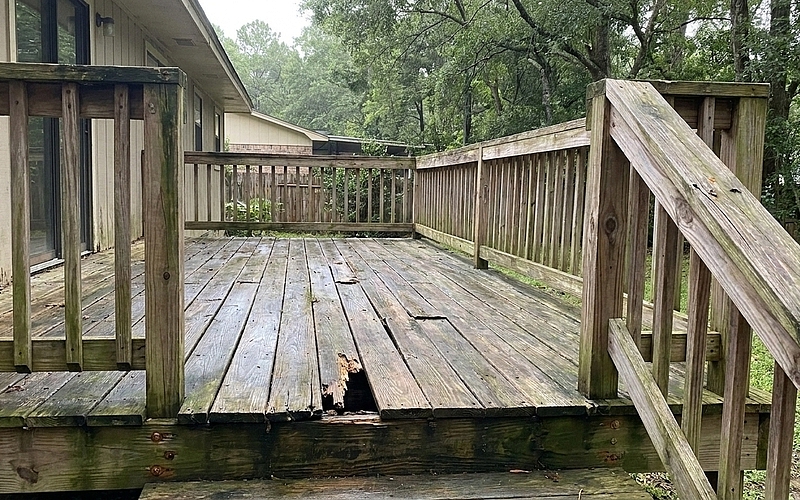
Is Your Gainesville Deck Starting to Feel Unsafe?
July 28, 2026
-
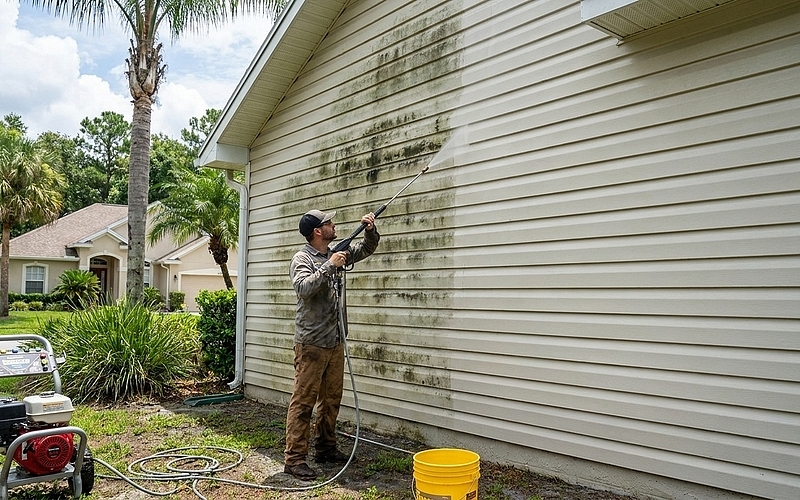
Can Pressure Washing in Florida Remove Mold from Siding?
July 14, 2026






.png)