
Home Improvement Tips & Info
Common Roof Leak Sources on Gainesville Homes
Most homeowners think roofs are just about keeping rain out. Shingles up, water down. But Georgia's climate sees more than that — and if you don't, you're asking for trouble. Leaks may not show up right away, but they do leave a footprint on your ceiling, your walls, and your wallet. Especially if you're ignoring the warning signs or skipping maintenance.
So here's the deal. If you're living in Gainesville, you're dealing with humid summers, ice storms in winter, and severe weather that rolls through without warning. That's reality. Just don't treat your roof like it's invincible. Every weak spot should be on your radar. Every inspection needs follow-through. And every repair decision should be grounded in what's actually happening on your roof — not just what you hope is holding up.
Shingles That Crack, Curl, or Disappear
Your shingles take the brunt of everything Georgia throws at them. Summer heat climbs into the 90s. Thunderstorms roll in fast and heavy. Winter brings freezing temperatures and occasional ice. Over time, that abuse shows up as cracks, curling edges, or shingles that just vanish after a heavy blow.
When shingles fail, water doesn't wait for an invitation. It seeps straight through to the underlayment, then into your attic, then down your walls. We've seen it happen fast in Gainesville — one storm, one missing shingle, and suddenly you've got a problem that spreads. Check your roof after every major weather event. Replace damaged shingles before the next round hits.
Flashing That Fails When You Need It Most
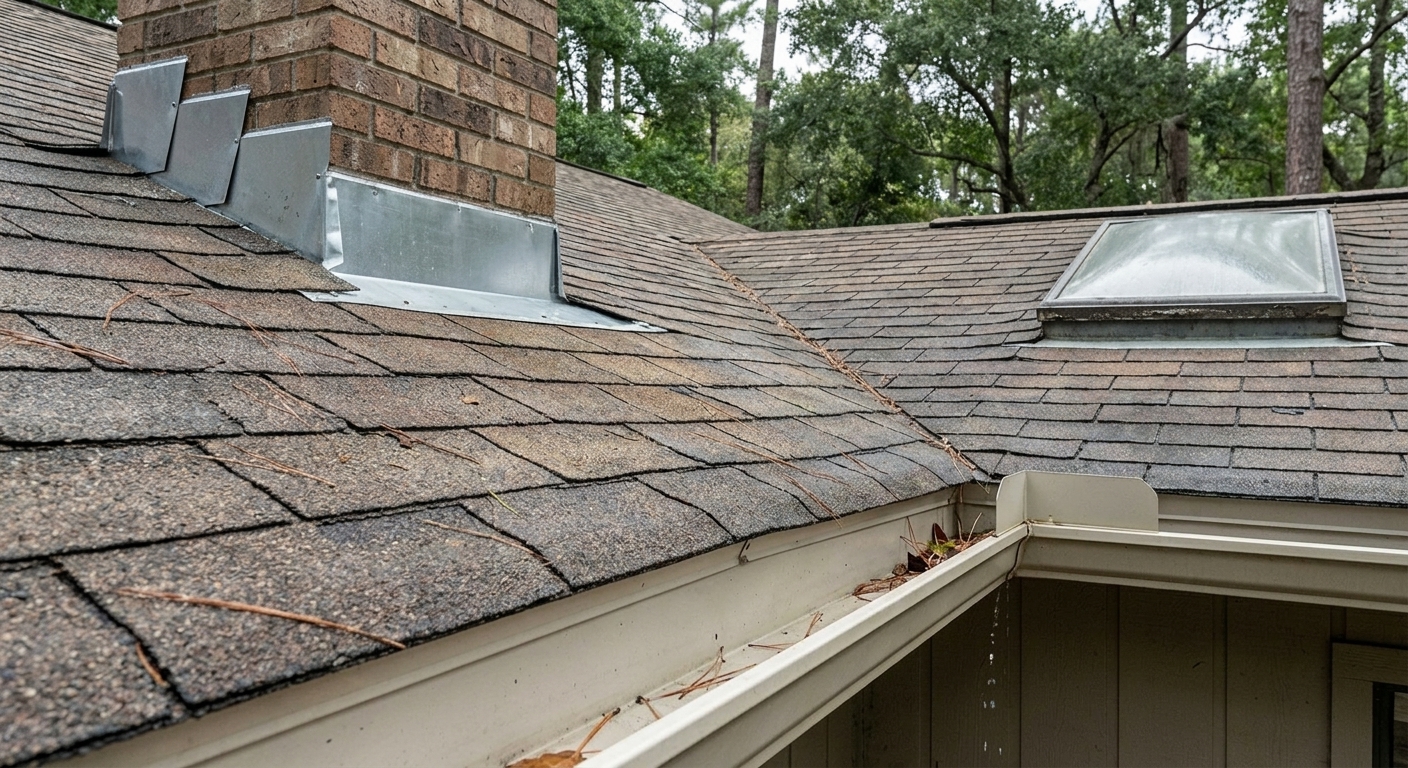
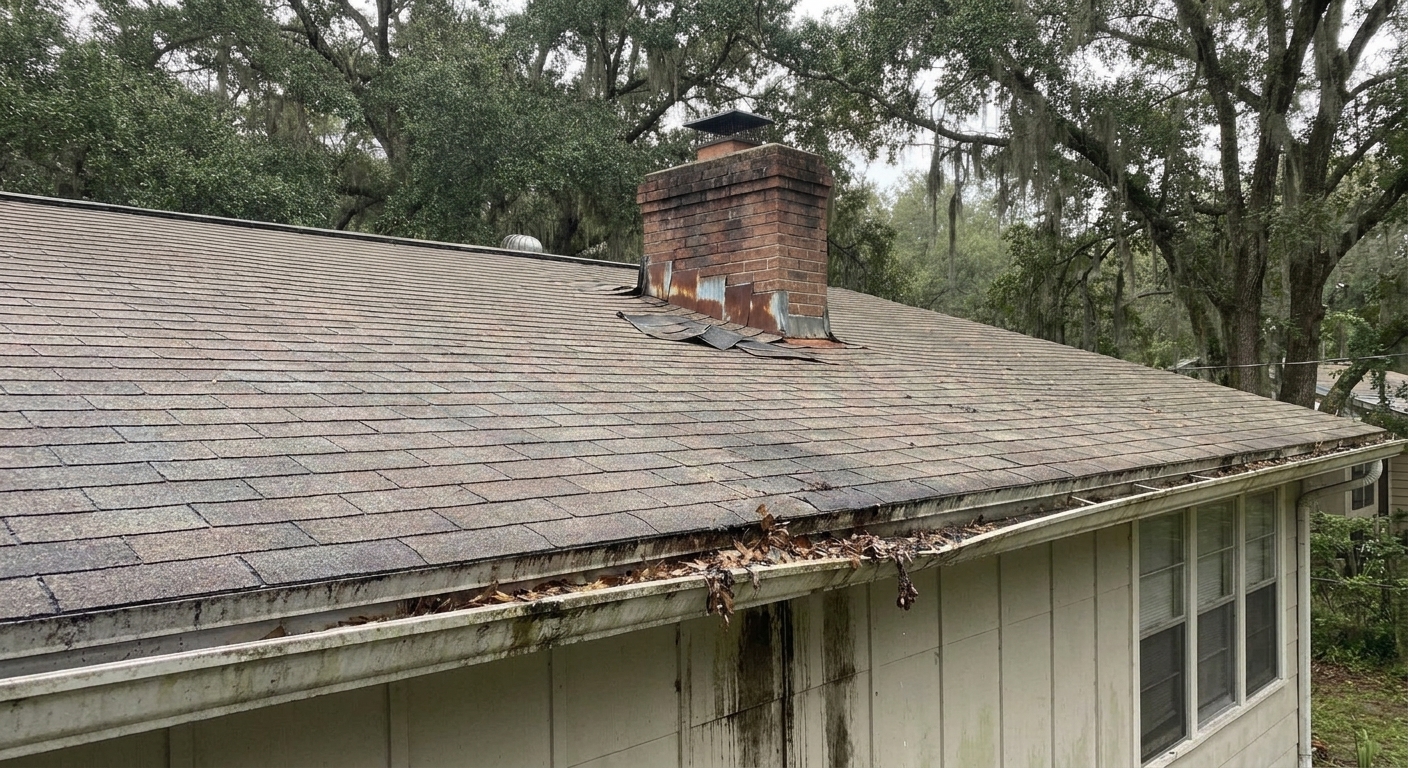
Flashing is thin metal installed around chimneys, vents, skylights — anywhere your roof has a seam or a break. Its job is simple: redirect water away from vulnerable spots. But if that flashing corrodes, pulls loose, or was never installed right in the first place, water finds a way in.
Gainesville's weather tests flashing hard. Severe thunderstorms, temperature swings from summer heat to winter freezes, and driving rain all work against those seals. If your flashing isn't tight, you're gambling every time it rains. Get it inspected. Get it resealed. And if it's old or damaged, replace it before it costs you more than the repair.
Gutters That Back Up and Overflow
Gutters aren't glamorous, but they're critical. They move water off your roof and away from your foundation. When they clog with leaves, pine needles, or debris — and in Gainesville, that happens fast with all the trees — water has nowhere to go. It pools on your roof, backs up under shingles, and eventually leaks inside.
Damaged gutters are just as bad. Sagging sections, rust holes, or detached hangers mean water isn't flowing where it should. That standing water becomes a leak waiting to happen. Clean your gutters regularly. Fix sagging sections. And if they're beyond repair, replace them before spring storms or winter ice does more damage.
What Clogged Gutters Lead To
- Water pooling on the roof surface
- Shingles lifting from prolonged moisture exposure
- Fascia and soffit rot from overflow
- Foundation damage from improper drainage
- Mold growth in attic spaces
Roof Valleys That Can't Handle the Load
Roof valleys are where two slopes meet and funnel water downward. They handle more runoff than almost any other part of your roof. That makes them prime targets for leaks if the sealing isn't perfect or if the materials degrade over time.
In Gainesville, heavy rains don't trickle — they pour. Spring thunderstorms and summer downpours dump inches in minutes. Valleys that aren't properly sealed or maintained will fail under that kind of pressure. Water rushes through gaps, soaks into the decking, and shows up inside your home. Inspect valleys closely. Make sure they're sealed tight. And if you see wear, don't wait for the next storm to prove you were right.
Skylights and Vents That Let Water Slip Through
Skylights bring in natural light. Vents keep your attic breathing. Both are great — until they start leaking. Cracked glass, worn seals, or improper flashing around these features can all turn them into entry points for water.
We see this a lot in Gainesville homes. A skylight that looked fine five years ago may have seals that dried out in the heat or cracked from temperature swings. A vent that was installed quickly may not have been flashed correctly. Either way, once water gets in, it spreads. Check seals annually. Look for cracks. And if you're not sure, bring in a pro to inspect before the problem gets worse.
Common Skylight and Vent Issues
- Cracked or fogged skylight glass
- Deteriorated rubber or silicone seals
- Flashing that's pulled away or corroded
- Vent caps that are loose or missing
- Improper installation from the start
Roofing Materials That Age Out
Nothing lasts forever. Shingles, underlayment, flashing — they all have a shelf life. In Georgia's climate, that lifespan gets tested. Hot, humid summers, freezing winters, and UV exposure accelerate wear. What might last 25 years in milder climates could show problems sooner here.
As materials age, they lose their ability to repel water. Shingles become brittle. Underlayment breaks down. Seals crack. And when that happens, leaks aren't a question of if — they're a question of when. If your roofing is pushing its expected lifespan, get it inspected. Don't wait for a leak to tell you it's time.
Signs Your Roof Is Aging Out
- Granules washing off shingles into gutters
- Visible sagging or unevenness
- Widespread cracking or curling
- Frequent small leaks in different areas
- Increased energy bills from poor insulation
Installation Mistakes That Haunt You Later
Even premium materials fail if they're installed wrong. Shortcuts, inexperienced crews, or cheap materials dressed up as quality — all of it leads to leaks down the line. In Gainesville, where weather doesn't forgive mistakes, poor installation shows up fast.
We've seen roofs that looked fine from the ground but had flashing gaps, improper nailing patterns, or underlayment that wasn't lapped correctly. Those errors don't announce themselves until water starts dripping into your living room. Hire experienced contractors. Check references. And don't go with the lowest bid if it means cutting corners on your roof.
Red Flags in Roof Installation
- No written contract or warranty
- Pressure to sign immediately
- Unusually low bids compared to competitors
- No proof of licensing or insurance
- Vague timelines or material descriptions
Storm Damage That Hides Until It's Too Late
Gainesville gets its share of severe weather. Thunderstorms with high winds, hail, and torrential rain all leave marks — some obvious, some not. A tree branch might punch a hole you can see from the driveway. But wind can also lift shingles just enough to break the seal without tearing them off. Hail can crack shingles in ways that don't show until months later.
After every major storm, inspect your roof. Look for missing shingles, dents, or debris. Check your attic for new water stains. And if you're not comfortable climbing up there, hire someone who is. Storm damage that goes unnoticed becomes a leak that goes uncontrolled.
Post-Storm Inspection Checklist
- Missing or displaced shingles
- Dents or cracks from hail impact
- Debris lodged in valleys or gutters
- Flashing that's bent or pulled loose
- Water stains in the attic or on ceilings
Your Roof's Worst Enemy Is Neglect
Leaks don't start overnight. They build slowly — a cracked shingle here, a loose flashing there, a clogged gutter that backs up once too often. Most homeowners don't notice until water's dripping onto their furniture. By then, the damage is done.
Regular inspections catch problems early. Cleaning gutters prevents overflow. Replacing worn materials stops leaks before they start. It's not exciting work, but it's the difference between a $200 repair and a $5,000 disaster. Professional roof soft wash cleaning can also help extend your roof's lifespan by removing damaging algae and debris. Don't wait for the ceiling stain to tell you something's wrong. Get ahead of it, stay on top of it, and your roof will do its job when the next storm rolls through Gainesville. For comprehensive services that protect your home, consider working with experienced professionals who understand local conditions. If you need expert help, contact us for a thorough inspection and reliable solutions.
Let's Protect Your Gainesville Home Together
We know how important a solid, leak-free roof is for your peace of mind and your family's comfort. If you've noticed any warning signs or just want to make sure your roof is ready for the next storm, let's talk it through and find the right solution for your home. Give us a call at 770-540-9761 or get a quote today—let's keep your roof strong and your home protected, season after season.
‹ Back
Recent Posts
-

Should You Pressure Wash Before Exterior Painting in Florida?
September 8, 2026
-

Are Your Gainesville Gutters Overflowing During Heavy Rain?
August 25, 2026
-
Why Does Algae Keep Coming Back on Florida Driveways?
August 11, 2026
-
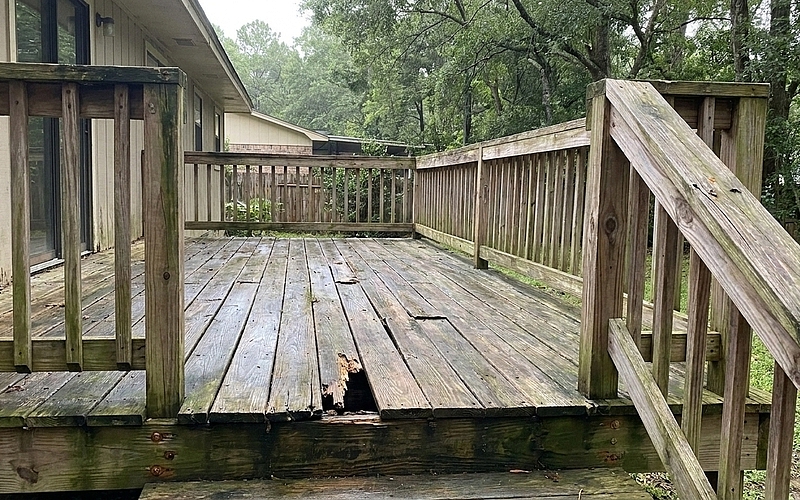
Is Your Gainesville Deck Starting to Feel Unsafe?
July 28, 2026
-
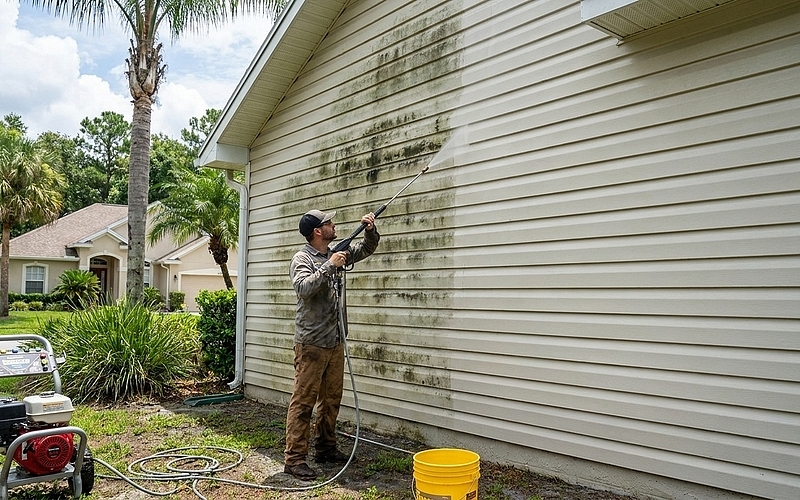
Can Pressure Washing in Florida Remove Mold from Siding?
July 14, 2026






.png)