
Home Improvement Tips & Info
Signs Your Siding in Gainesville Needs Replacement
Most homeowners think siding is just about curb appeal. Looks good, adds value, done. But your exterior cladding does more than that — and if you're not paying attention, you're setting yourself up for expensive surprises. Siding might seem like a static shell, but it's actively defending your home from moisture, pests, and Florida's relentless weather. Especially in Gainesville, where humidity doesn't take a day off.
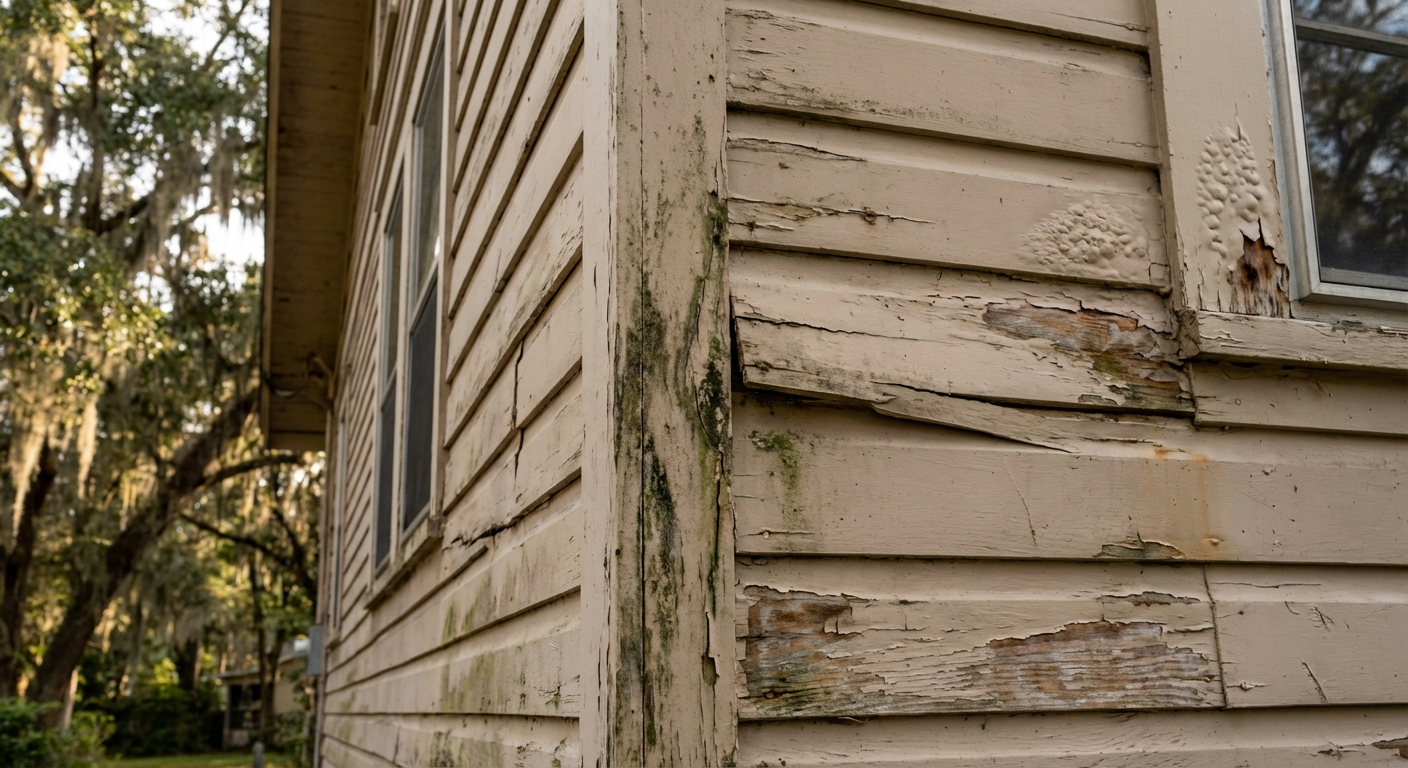
So here's the reality. If your siding is failing, it's not just an eyesore. It's a structural liability. Every crack invites water. Every gap becomes a highway for insects. And every ignored warning sign compounds into something bigger — something that costs more to fix than it would have to replace early. The key is knowing what to look for before the damage moves from the surface to the studs.
Cracks and Warping Tell You Everything
Visible damage isn't subtle. If your siding has cracks running through it, panels that bow outward, or holes punched through the surface, that's not cosmetic. That's compromise. In Gainesville's wet climate, even a hairline fracture can funnel moisture straight into your wall cavity. Once water gets behind the barrier, you're looking at rot, mold, and insulation failure.
Warped panels are just as bad. They signal that the material has absorbed too much moisture or been baked too many times by the sun. Either way, the integrity is gone. Patching won't fix it. You need fresh material that can actually do the job.
Paint That Won't Stay Put
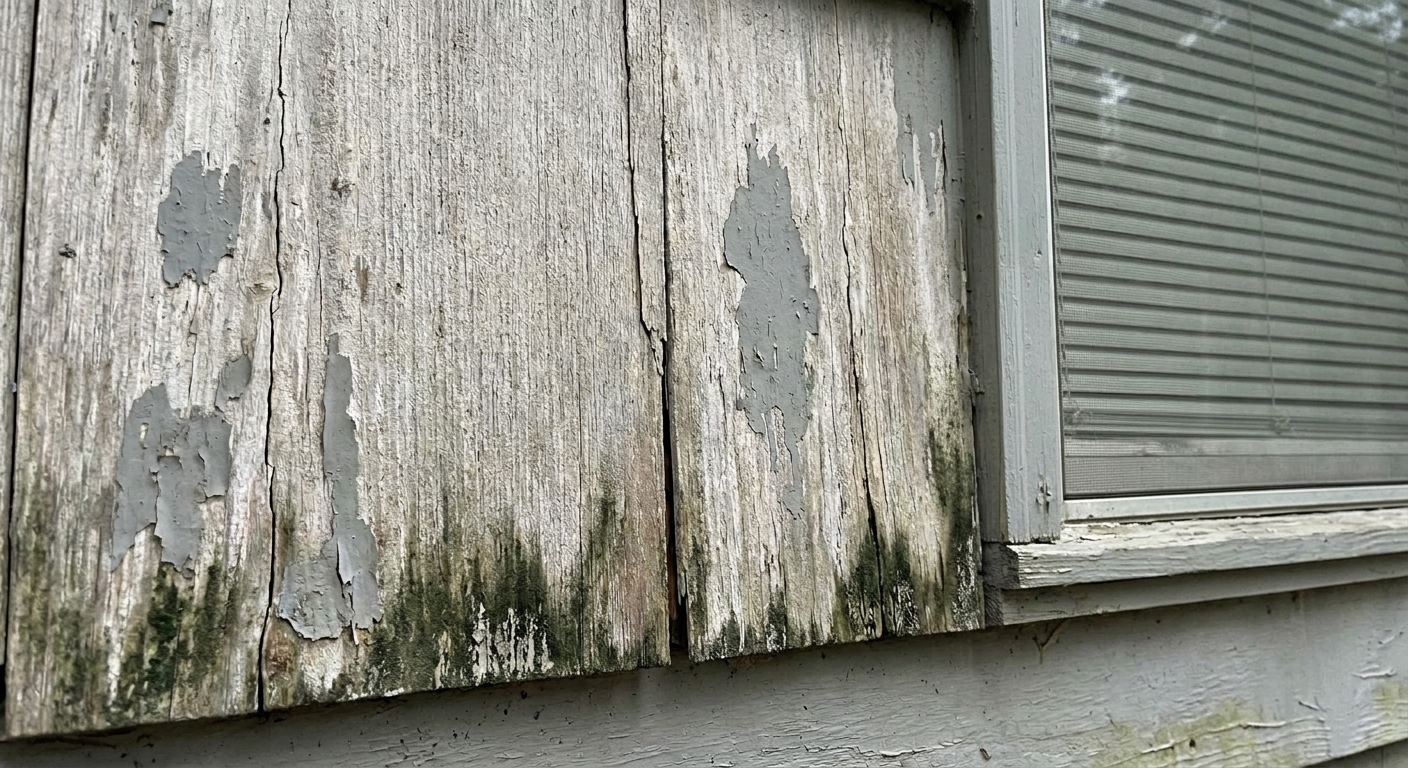
Siding is engineered to hold its finish for years. When paint starts peeling, bubbling, or fading in uneven patches, that's not just age — it's failure. The protective layer is breaking down, and what's underneath is exposed to the elements. Gainesville's sun is brutal, and the rain doesn't help. Together, they strip coatings faster than most people expect.
Faded siding doesn't just look tired. It's a sign that UV degradation has weakened the material itself. If the color's gone, the durability probably is too. And if you're repainting every few years just to keep up appearances, you're throwing money at a losing battle.
Your Energy Bills Shouldn't Spike Without Reason
When your HVAC system starts working overtime and your utility bills climb, the problem might not be inside. Damaged or outdated siding compromises your home's thermal envelope. Air leaks through gaps, insulation gets soaked, and your climate control system fights a battle it can't win.
Replacing failing siding with modern, insulated options can cut those costs and restore comfort. It's not just about aesthetics. It's about efficiency. And in Florida, where cooling costs dominate your budget, that matters more than most homeowners realize.
Mold Doesn't Grow on Healthy Siding
Gainesville's humidity creates perfect conditions for biological growth. If you see green streaks, black spots, or fuzzy white patches on your siding, moisture is trapped where it shouldn't be. That's not surface dirt. That's colonization. And it means water is sitting behind the panels, feeding mold and breaking down the substrate.
Here's what mold and mildew growth usually signals:
- Moisture infiltration through cracks or failed seams
- Poor ventilation behind the siding panels
- Material degradation that's holding water instead of shedding it
- Structural damage that's already underway, even if you can't see it yet
- A timeline that's shorter than you think before the problem spreads inside
Once mold takes hold, cleaning the surface won't solve it. The siding has failed. Replacement is the only real fix.
Bubbles and Blisters Mean Trapped Water
When siding starts bubbling or blistering, water is already behind it. This happens when moisture gets past the outer layer and has nowhere to escape. Poor installation, aging materials, or relentless exposure to Gainesville's rain all contribute. Once the water's in, it doesn't leave on its own.
Blistered siding can't protect your home. It's already compromised. And the longer you wait, the more damage accumulates behind the scenes — rot, rust, insulation breakdown, even electrical issues if water reaches the wrong places.
Soft Spots and Rot Are Non-Negotiable
Press on your siding. If it gives, if it feels spongy, if you can push through it with minimal effort — that's rot. Wood siding is especially vulnerable in humid climates, but even fiber cement and engineered products can fail if water gets in. Rotting material can't be salvaged. It's structurally unsound, and it's spreading.
Here's what rot typically affects:
- Load-bearing capacity of the wall assembly
- Attachment points for the siding itself
- Framing members behind the cladding
- Insulation and vapor barriers
- Resale value and inspection outcomes
Rot doesn't stop at the surface. It moves inward. Replacing compromised siding before it reaches the framing is the difference between a manageable project and a full-scale reconstruction.
Constant Repairs Are a Red Flag
If you're patching, caulking, and repainting every season, your siding is telling you something. Frequent repairs mean the material has reached the end of its useful life. You're not maintaining it anymore — you're propping it up. And every dollar spent on temporary fixes is a dollar that could have gone toward a permanent solution.
At some point, replacement becomes the smarter financial move. Especially when you factor in labor costs, material waste, and the ongoing risk of water damage that repairs can't fully address.
Interior Damage Starts Outside
Sometimes the first sign of siding failure shows up inside your home. Peeling paint on interior walls, wallpaper that won't stick, water stains near the ceiling or baseboards — these aren't random. They're symptoms of moisture intrusion, and the source is often compromised siding.
Here's what interior damage usually points to:
- Water penetration through failed siding seams
- Condensation buildup from poor ventilation
- Insulation saturation that's spreading moisture inward
- Structural framing that's already wet and weakening
- A timeline that's already past the point of simple fixes
Fixing the drywall won't stop the leak. You have to address the exterior. And if the siding is the culprit, replacement is the only way to stop the cycle.
Higher Maintenance Costs Add Up Fast
Old siding demands attention. Cleaning, sealing, repainting, replacing individual panels — it all takes time and money. And in Gainesville, where weather accelerates wear, that maintenance schedule gets tighter every year. At a certain point, the cumulative cost of upkeep exceeds the cost of replacement.
New siding cuts that burden. Modern materials require less maintenance, resist moisture better, and hold up longer under UV exposure. Professional painting services can help extend the life of your exterior, but when the substrate is failing, even the best coatings won't save it. It's not just about avoiding problems. It's about reclaiming time and budget for things that actually grow your property value.
When the Damage Moves Beyond the Surface
Siding replacement isn't just about making your home look better. It's about stopping damage before it reaches the bones of your house. Gainesville's climate doesn't forgive neglect. Humidity, rain, heat, and storms all conspire to break down exterior materials faster than in drier regions.
If you're seeing cracks, rot, mold, bubbling, or interior stains, you're already past the early warning stage. Whether you need James Hardie siding or Royal vinyl siding, the question isn't whether you need new siding — it's how soon you can get it installed before the damage spreads further. Professional siding services can assess the full extent of the damage and recommend the best solution for your home. Waiting doesn't save money. It just shifts the cost from siding to framing, insulation, and structural repairs that could have been avoided entirely.
Ready to Protect Your Home?
We know how important it is to keep your Gainesville home safe, efficient, and looking its best. If you've noticed any of these siding warning signs, let's tackle the problem before it grows. Give us a call at 770-540-9761 to talk through your options, or get a quote and see how we can help you restore your home's exterior with confidence.
‹ Back
Recent Posts
-

Should You Pressure Wash Before Exterior Painting in Florida?
September 8, 2026
-

Are Your Gainesville Gutters Overflowing During Heavy Rain?
August 25, 2026
-
Why Does Algae Keep Coming Back on Florida Driveways?
August 11, 2026
-
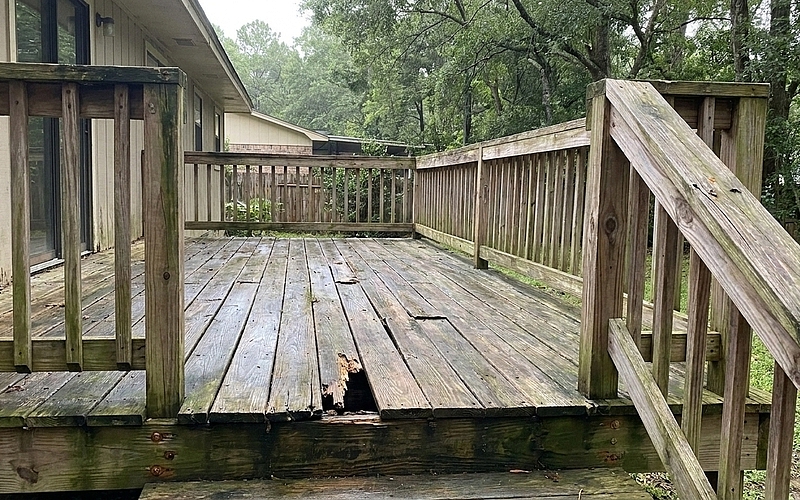
Is Your Gainesville Deck Starting to Feel Unsafe?
July 28, 2026
-
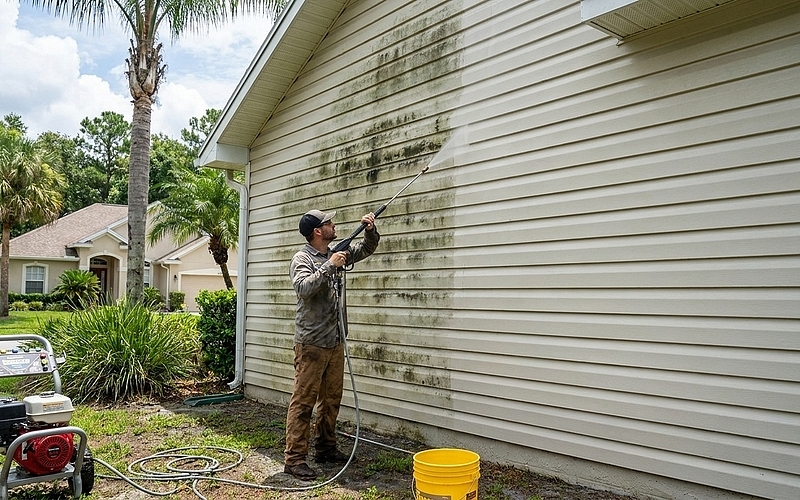
Can Pressure Washing in Florida Remove Mold from Siding?
July 14, 2026




.png)